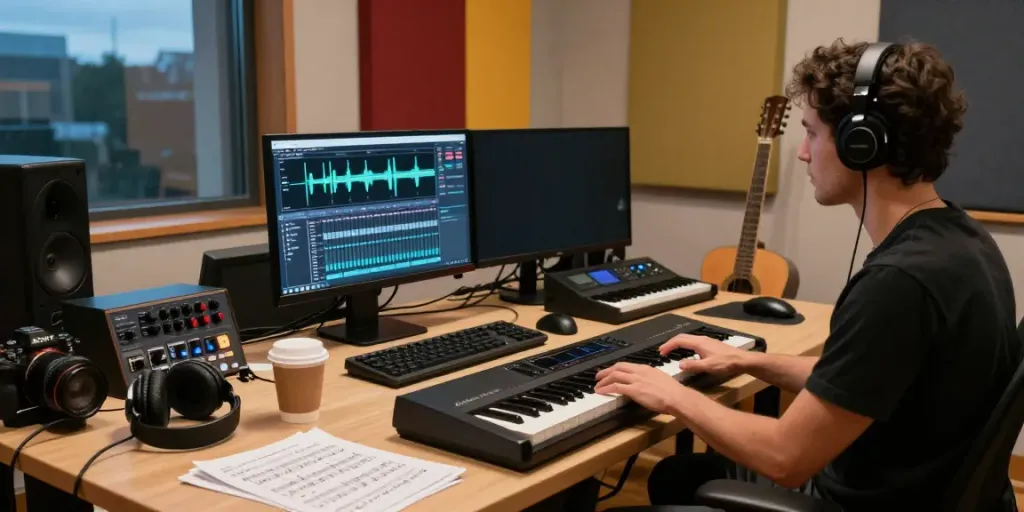
Understanding the GO 88 and Its Features
The GO 88 is a versatile digital piano that combines advanced technology with user-friendly features, making it an excellent choice for both beginners and experienced musicians. With a focus on delivering high-quality sound and a realistic playing experience, the GO 88 aims to meet the needs of a diverse range of players. Whether you're looking to practice at home or perform on stage, this instrument offers a blend of portability and professional quality. When exploring options, GO 88 provides comprehensive insights into the features that matter most to you.
What is the GO 88?
The GO 88 is a digital piano designed by Roland, a company renowned for its innovative musical instruments. It features a full-size 88-key layout, making it a perfect alternative for those used to traditional acoustic pianos. The GO 88 is equipped with advanced sound engines that replicate the rich tones of real pianos, along with a variety of sounds and effects to enhance musical creativity.
Key Specifications of the GO 88
- Key Count: 88 full-size keys
- Sound Engine: SuperNATURAL Piano technology
- Connectivity: Bluetooth audio and MIDI
- Weight: Lightweight design for portability
- Battery Life: Up to 12 hours of continuous use
Technology Behind the Sound
The GO 88 utilizes Roland's SuperNATURAL Piano technology, which provides a deeper, more expressive sound compared to conventional sampling methods. This technology captures the nuances of real acoustic pianos, delivering a dynamic playing experience that responds to the musician's touch. Additionally, the instrument is equipped with high-quality speakers that ensure optimal sound quality, whether you're playing quietly at home or projecting to a larger audience.
Alternatives to the GO 88: Comparing Options
While the GO 88 stands out in the digital piano market, it's essential to explore its competitors to find the best fit for your needs. There are several alternatives available that offer unique features and price points, allowing musicians to choose based on their specific preferences.
Top Competitors in the Digital Piano Market
- Yamaha P-125: Known for its realistic touch and sound quality, it’s a great option for those who prioritize performance.
- Kawai ES110: Offers excellent sound quality and a responsive keyboard feel, making it suitable for serious pianists.
- Casio Privia PX-S1000: A compact model with Bluetooth connectivity, addressing the need for portability without compromising sound.
Pros and Cons of Each Alternative
Yamaha P-125
Pros: Excellent sound engine, realistic feel, broad range of features. Cons: Slightly heavier than other models.
Kawai ES110
Pros: High-quality key action, built-in practice features. Cons: Pricier than some entry-level options.
Casio Privia PX-S1000
Pros: Highly portable, Bluetooth connectivity, multiple sound options. Cons: May lack the depth of sound compared to others.
Price Comparison and Value Assessment
Pricing for digital pianos can vary significantly based on features and brand reputation. The GO 88 typically retails in the mid-range, making it accessible for most budgets while offering exceptional value for the quality provided. In comparison, the Yamaha P-125 and Kawai ES110 hover around the same price point, while the Casio Privia PX-S1000 tends to be slightly more affordable, positioning it as a competitive alternative.
Choosing the Right Piano for Your Needs
Selecting a digital piano can be daunting, especially with so many options available. Understanding your musical goals will significantly influence your choice, ensuring you find an instrument that aligns with your aspirations.
Identifying Your Musical Goals
Before making a purchase, consider what you want to achieve with your piano. Are you a beginner looking to play recreationally, or are you an advanced player seeking an instrument for performance? Knowing your objective will help narrow down your options, focusing on features that enhance your experience, such as weighted keys for realism or portability for travel.
Must-Have Features for Digital Pianos
When evaluating digital pianos, consider these essential features:
- Weighted Keys: For an authentic piano feel.
- Sound Variety: Multiple instrument sounds can expand your creativity.
- Connectivity: Bluetooth and MIDI capabilities for modern music applications.
- Built-in Lessons: Useful for beginners to develop their skills effectively.
Common Mistakes When Selecting a Piano
Many first-time buyers overlook critical factors when choosing a digital piano, such as the importance of key action, sound quality, and connectivity options. It's also vital to test the piano in person if possible, as personal preference regarding touch and sound can vary greatly among players.
Best Practices for Learning with Digital Pianos
Once you've selected a digital piano, leveraging it effectively for learning and practice is crucial. Here are some best practices to consider.
Effective Learning Techniques and Resources
Utilize online platforms offering digital lessons tailored to your instrument. Many resources focus on specific skills, song tutorials, and technique-building exercises that can enhance your learning experience. Joining online forums or local groups can also provide additional support and motivation.
Integrating Technology in Music Education
With advancements in technology, integrating apps and software into your practice routine can elevate your learning. Applications that provide feedback on your playing or gamified learning experiences can make practice more engaging and productive.
Maintaining Your Digital Piano
Regular maintenance is essential to keep your digital piano in optimal condition. This includes cleaning the keys, maintaining the electronics by avoiding unnecessary moisture exposure, and ensuring the piano is properly stored when not in use to avoid damage.
Future Trends in Digital Pianos: What's Next?
The digital piano landscape is constantly evolving, with innovations shaping how musicians interact with their instruments. Here are some anticipated trends that may define the market in the coming years.
Innovations Expected by 2026
As technology advances, more digital pianos are likely to incorporate sophisticated artificial intelligence (AI) features, allowing for personalized learning and responsive adjustments based on the player's style. Enhanced portability and battery life will also be focal points as musicians increasingly seek convenient options without sacrificing quality.
The Role of AI in Music Creation
AI's integration into music production tools is expected to change how composers approach songwriting and arrangement. Features that analyze music trends and offer creative suggestions will become more prevalent, helping musicians innovate in their compositions.
Market Predictions for Digital Instruments
The demand for digital instruments continues to grow, driven by advancements in sound technology and the increasing popularity of home music production. By 2026, we can expect a surge in compact, high-quality instruments that cater to both casual players and professional musicians.
What the Music Community is Saying
As musicians connect online, community feedback significantly influences market trends. For more information, Blog game GO88 offers valuable insights. Discussions in forums and social media provide insight into user experiences, recommendations, and technical advice, creating a robust ecosystem for sharing knowledge and tips about instruments like the GO 88.